© GDPR EU 2026. All rights reserved.

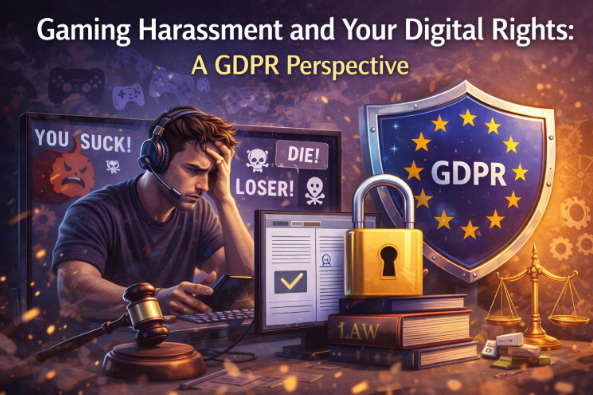
The gaming world has a harassment problem, and nowhere is this more evident than in Call of Duty’s multiplayer lobbies. Voice chat abuse, targeted griefing, doxxing threats, and coordinated harassment campaigns have become so normalized that many players simply mute communications entirely. But what most gamers don’t realize is that this toxic behavior creates lasting digital footprints that can damage reputations far beyond the game itself, and that GDPR provides legal tools to fight back.
When harassment occurs in gaming environments, it doesn’t stay contained within the game. Screenshots get shared on social media. Usernames get linked to real identities. Voice chat recordings surface years later. Gaming clips showing toxic behavior get uploaded to YouTube and TikTok. What happens in Call of Duty lobbies can follow you into job searches, relationships, and professional networks. Your gaming reputation becomes part of your digital identity whether you want it to or not.
Table of Contents
Gaming platforms and third-party services collect and retain massive amounts of data about player behavior. Every match played, every chat message sent, every voice communication recorded. These records can persist indefinitely across multiple platforms. For players managing cod accounts across different regions or skill levels from marketplaces like Gameboost, the complexity multiplies as harassment or toxic behavior on one account can sometimes be traced back to your main identity.
Under GDPR Article 17, EU residents have the “Right to be Forgotten” which extends to gaming data. If you’ve been the victim of harassment, or if old toxic behavior from your past threatens your current reputation, you have legal grounds to request data erasure from gaming companies operating in or targeting EU markets. This includes Activision, Discord, streaming platforms, and any service that processed your personal data.
However, exercising these rights isn’t straightforward. Gaming companies often claim legitimate interests in retaining data for anti-cheat purposes or terms of service enforcement. They may argue that your data is pseudonymized (not directly identifying) even when your username, voice, and behavior patterns create a distinct digital fingerprint. Understanding how to navigate these objections requires knowledge of both GDPR provisions and gaming industry practices.
Consider these scenarios that happen daily in gaming:
A player makes offensive comments in voice chat during a heated Call of Duty match. Another player records it, posts it to Twitter with the player’s username, and it gets shared thousands of times. Future employers googling that username find the video.
A streamer gets “stream sniped” (targeted harassment) repeatedly. The griefers post clips across social media, associating the streamer’s real name with negative content. Their professional reputation suffers despite being the victim.
A player gets doxxed after a competitive match. Their real name, address, and personal information get shared in Discord servers and forums. The data persists across dozens of platforms they never consented to.
In each case, the victim’s online reputation takes damage that can affect real world opportunities. Gaming harassment isn’t “just a game” when it creates permanent, searchable digital records linking your identity to negative content.
Most gamers are completely unaware of their data protection rights under GDPR. Here’s what you’re entitled to when dealing with harassment or reputation damage:
Right of Access (Article 15): You can request all data gaming companies hold about you, including chat logs, voice recordings, behavioral analytics, and third-party data sharing records. This helps you understand what exists that could damage your reputation.
Right to Rectification (Article 16): If gaming companies hold inaccurate data about you (false harassment reports, incorrect ban reasons, misattributed toxic behavior), you can demand corrections.
Right to Erasure (Article 17): You can request deletion of your data when it’s no longer necessary for its original purpose, when you withdraw consent, or when you object to processing. This is particularly relevant for old harassment incidents or toxic behavior from your past.
Right to Restriction (Article 18): You can limit how companies process your data while disputing its accuracy or lawfulness. This can prevent them from sharing your data with partners or using it for new purposes.
Right to Object (Article 21): You can object to data processing based on legitimate interests, including profiling and behavioral analysis that creates reputational risk.
These rights apply regardless of whether you’re the victim or perpetrator of harassment, though companies will weigh legitimate interests differently in each case.
Gaming harassment rarely stays contained within official platforms. Discord servers, Reddit communities, YouTube channels, Twitter accounts, and countless other third parties host and distribute content related to gaming behavior. Each platform has its own data retention policies and GDPR compliance obligations.
Removing content from these platforms requires understanding which fall under GDPR jurisdiction, how to submit valid erasure requests, and when to escalate to data protection authorities. A single harassment incident can spawn content across dozens of platforms, each requiring separate GDPR requests to achieve comprehensive reputation repair.
Rather than reacting to reputation damage after it occurs, gamers should adopt proactive data protection practices:
Separate Gaming Identity from Professional Identity: Use distinct usernames, email addresses, and personal information for gaming that can’t be easily linked to your real name or professional profiles.
Regular Data Audits: Periodically request your data from gaming platforms to understand what they’re retaining and sharing. Exercise erasure rights for old data that no longer serves legitimate purposes.
Document Harassment: When you experience harassment, document it immediately with screenshots and recordings. This creates evidence for both GDPR complaints and terms of service violations.
Monitor Your Digital Footprint: Regularly search your gaming usernames and associated information to identify where your gaming activity appears online. Address reputation risks early before they spread.
Understand Platform Policies: Different gaming companies have different GDPR compliance levels. Prioritize platforms with stronger data protection practices and clearer erasure procedures.
Serious harassment cases, especially those involving doxxing, threats, or viral negative content, often require professional online reputation management services. These specialists understand both GDPR procedures and the technical aspects of content removal across multiple platforms.
Professional reputation managers can coordinate simultaneous GDPR requests across dozens of platforms, escalate to data protection authorities when companies resist compliance, and employ technical strategies for suppressing negative search results that can’t be legally removed.
The cost of professional reputation management is often justified when gaming harassment threatens career opportunities, personal safety, or mental health. Your digital reputation isn’t just about gaming anymore. It’s about protecting your real world identity from the consequences of online toxicity.
As gaming becomes more integrated with social media, streaming, and professional esports, the lines between gaming behavior and real identity continue blurring. GDPR provides critical tools for managing this intersection, but most gamers remain unaware of their rights.
Gaming companies will increasingly face GDPR enforcement as data protection authorities recognize the reputational harm that gaming harassment creates. The “it’s just a game” defense becomes weaker when companies profit from data collection while inadequately protecting users from harassment and reputation damage.
Understanding your GDPR rights as a gamer isn’t optional anymore. It’s essential for protecting your digital identity in an increasingly connected world where gaming behavior has real consequences.